Everyone Bought the Signal. Almost Nobody Built the Response.
A pricing-page visit converts to a meeting about 22% of the time. The same pitch sent cold converts at under 1%. Signal-based selling is now table stakes — but the signal is the easy part. The teams winning are the ones who built the half that acts.
The teams winning at outbound in 2026 don’t have better signal data than you. They can act on a signal before it goes cold. That’s the part nobody’s actually buying.
Cold outbound is mostly dead, and not only because buyers stopped answering. Google and Yahoo’s bulk-sender rules now punish untargeted volume directly. High complaint rates drag down your deliverability for everything you send, including the messages that would have landed. Signal-based selling stopped being a conversion tactic and quietly became a deliverability requirement. Send fewer, more relevant messages, or stop reaching the inbox at all.
The numbers behind the shift are real. Signal-timed outreach, meaning a specific event plus a relevant reason to reach out, books meetings at 18 to 22%. Cold sequences book at under 1%. Reply rates run 15 to 25% against 1 to 5% for generic blasts.
So every vendor is selling you signals now. Pricing-page visits, a new CRO in their first 90 days, a product usage limit getting hit, a champion changing jobs, a competitor’s bad review. Layer enough sources together and you get a composite score that actually predicts a buying window instead of guessing at one.
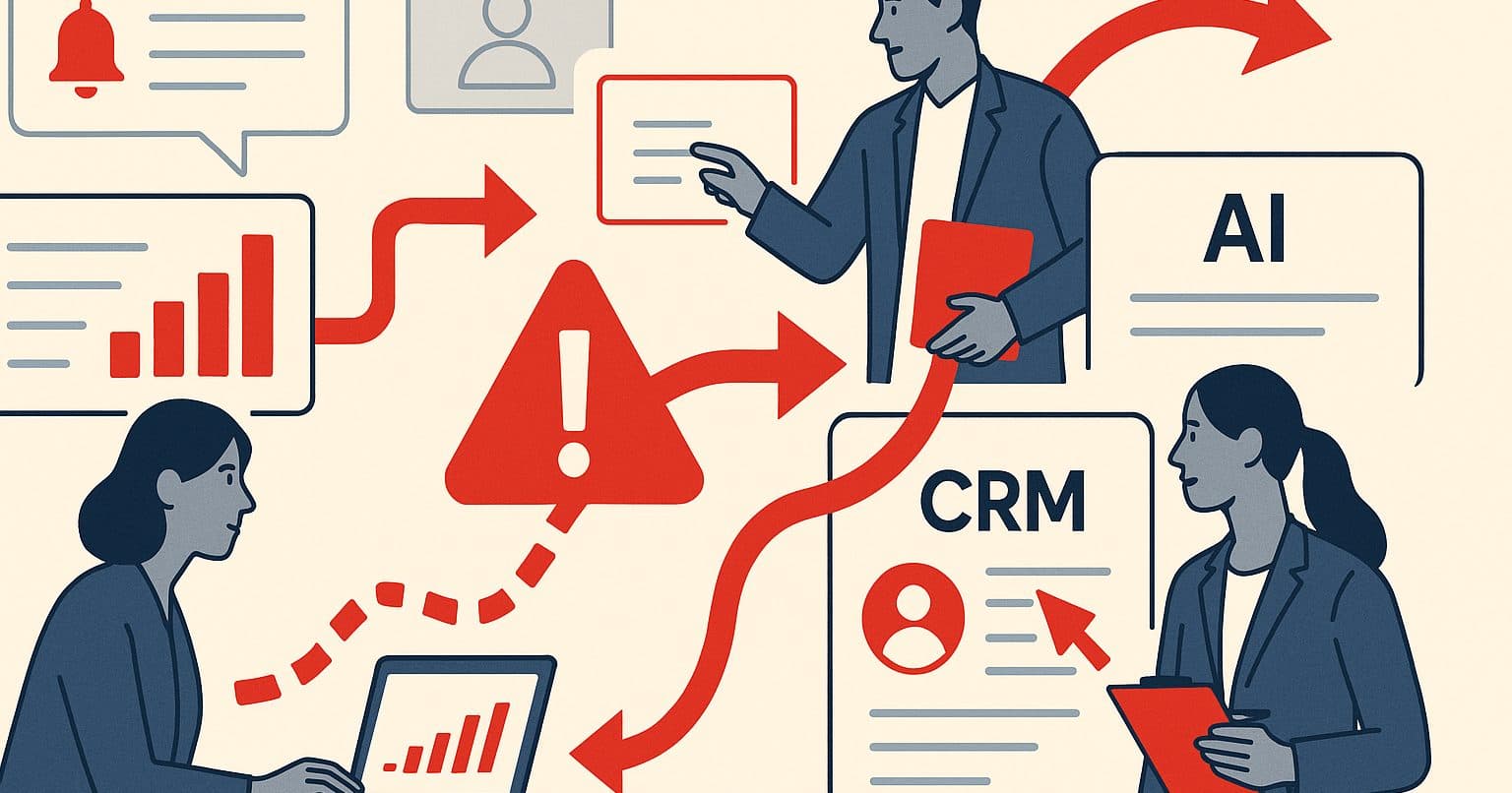
Here’s where I watch teams burn the money. They buy three signal tools, wire them into a Slack channel, and feel modern. Then the alert fires at 9:14 AM, the rep sees it at 4:30 after back-to-back calls, writes a generic note the next morning, and sends it two days after the buyer left the pricing page. The signal was good. The window was gone.
A pricing-page visit is a minutes-to-hours signal, not a someday signal. A new revenue leader is receptive for about 90 days, and then they’ve picked their vendors. The value of a signal starts decaying the moment it fires. Detection is the easy 20% now that the tools are cheap and everywhere. The hard 80% is the response: who gets alerted, how fast, with what context already assembled for them, and whether the message that goes out is specific to the trigger or just personalization theater with a first name pasted in.
A signal you can’t act on inside its window is just noise with a timestamp.
This is also where the build-versus-buy line actually matters. You don’t need to build signal detection. Clay, Apollo, and your own product analytics already do it well, and rebuilding that is a waste of your time. What you should own is the routing and the response: the workflow that takes a fired signal, enriches it, drafts a message about that specific trigger, and puts it in front of the right person, or sends it, inside the window. That’s a few hours of work in n8n or a Clay table feeding your sequencer. It’s cheap to build, and it’s the part that compounds while the tools stay commodities.
Before you buy another signal source, run the honest test. When a high-intent signal fires right now, how long until someone acts, and is the message they send actually about the signal? If the answer is “a day or two” and “not really,” more signals won’t help you. You’ll just detect more opportunities you’re too slow to catch.
Cold outbound didn’t die because the messages were cold. It died because they were untimed and irrelevant. Signal-based selling fixes the timing and the relevance, but only if you build the half that acts, not just the half that watches.
Frequently Asked Questions
Why is cold outbound dead in 2026?
Google and Yahoo's bulk-sender rules punish untargeted volume and damage deliverability. Signal-based selling became a deliverability requirement, not just a tactic.
What's the difference between signal detection and signal response?
Detection identifies buying signals; response is the workflow that routes, enriches, and sends a timely relevant message. Detection is cheap; response compounds competitive advantage.
How long is a pricing-page signal actually valuable?
Minutes to hours. Waiting until the next morning kills the window. New revenue leader signals last about 90 days before vendor selection completes.
Should we build or buy signal detection tools?
Buy detection—tools like Clay and Apollo work well. Build the routing and response layer yourself in n8n or similar; it's cheap and defensible.
What's the conversion difference between signal-timed and cold outreach?
Signal-timed outreach converts at 18-22% with 15-25% reply rates. Cold sequences convert under 1% with 1-5% reply rates.